Know your consumers through premium market research.
If your project has reached a phase where you needs real consumer opinions, then market research will give you that clarity. Premium market research services gives you meaningful insights e.g a price point your market will actually accept. This will help you make decisions with confidence rather than guessing.
Practically here is what is involved:
- Gathering and analyzing consumer behaviors through qualitative and quantitative.
- Getting a clear comparison with your competitors to spot opportunity or understand the market trends.
- Turning raw data into strategies you will act on
- Creating clear, visual reports so that you can make decisions with confidence.

Who needs premium market research

Founders pitching for an idea
Test demand of a new product or feature before building it, to ensure you're spending money on evidence rather than assumptions.

Teams getting into new market
Know what to expect from buyers, how much they can afford and what makes a product competitive before spending any money on a product launch.
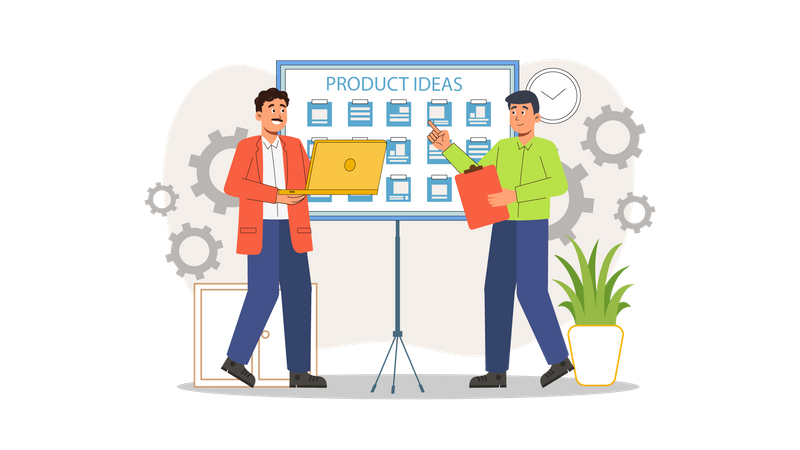
Product teams
Rather than taking a guess at what customers think, get structured feedback from customers on features, messaging, or pricing changes.

Investors & operators
Independent market sizing and competitive analysis to support a business case or investment decision.
Steps for the market research engagement
Discover your market
I always start by analyzing the target audience, competitors, and industry trends to identify untapped opportunities.
Collect and interpret data
Our team gathers and interprets market trends data to uncover meaningful insights for effective marketing decisions.
Build data driven strategies
Transform research findings into practical marketing strategies to boost visibility and growth.
Research methods used
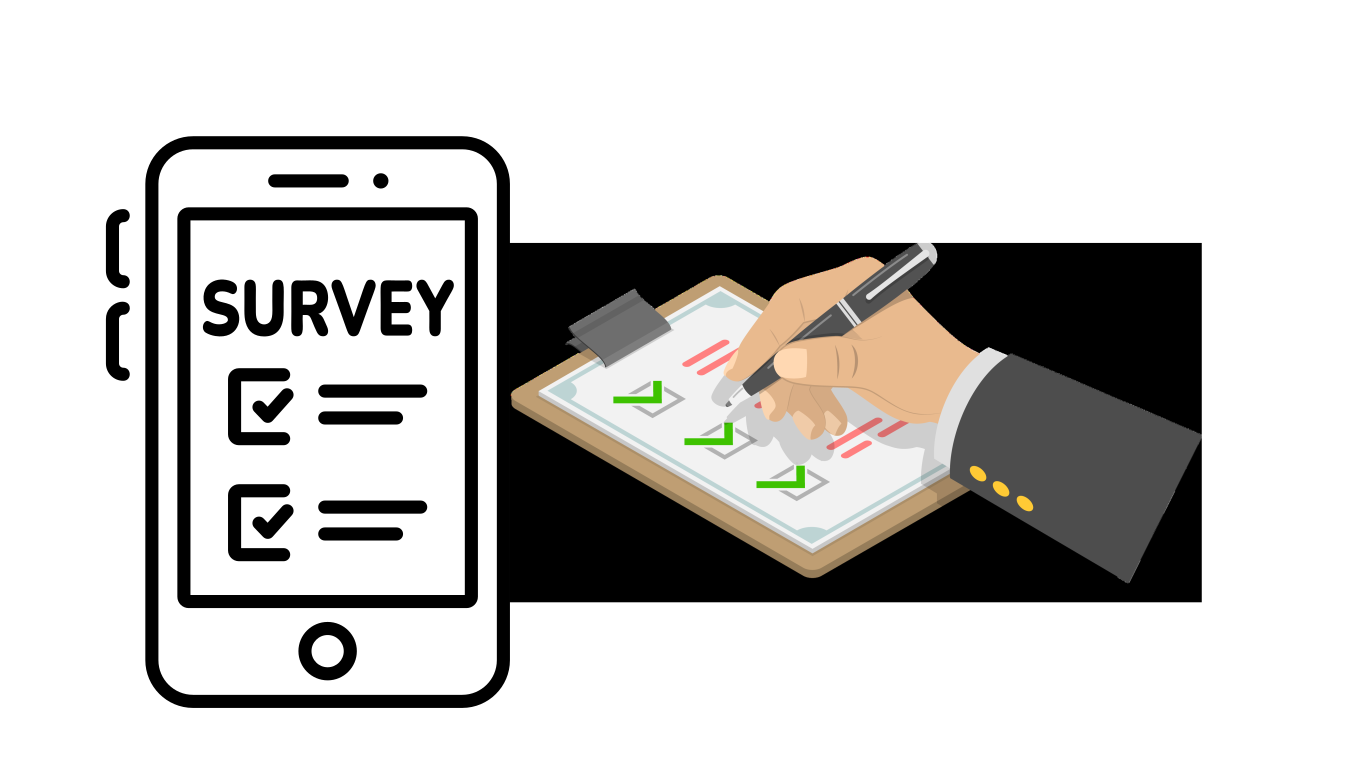
Surveys
Conduct a structured quantitative survey to determine demand, pricing sensitivity and preferences over a given sample size.

Interviews
Interviews with the target customers or stakeholders to get the "why" of the behavior, not only the numbers.

Focus Groups
Small group discussions to assess reactions to concepts, messaging or product direction.
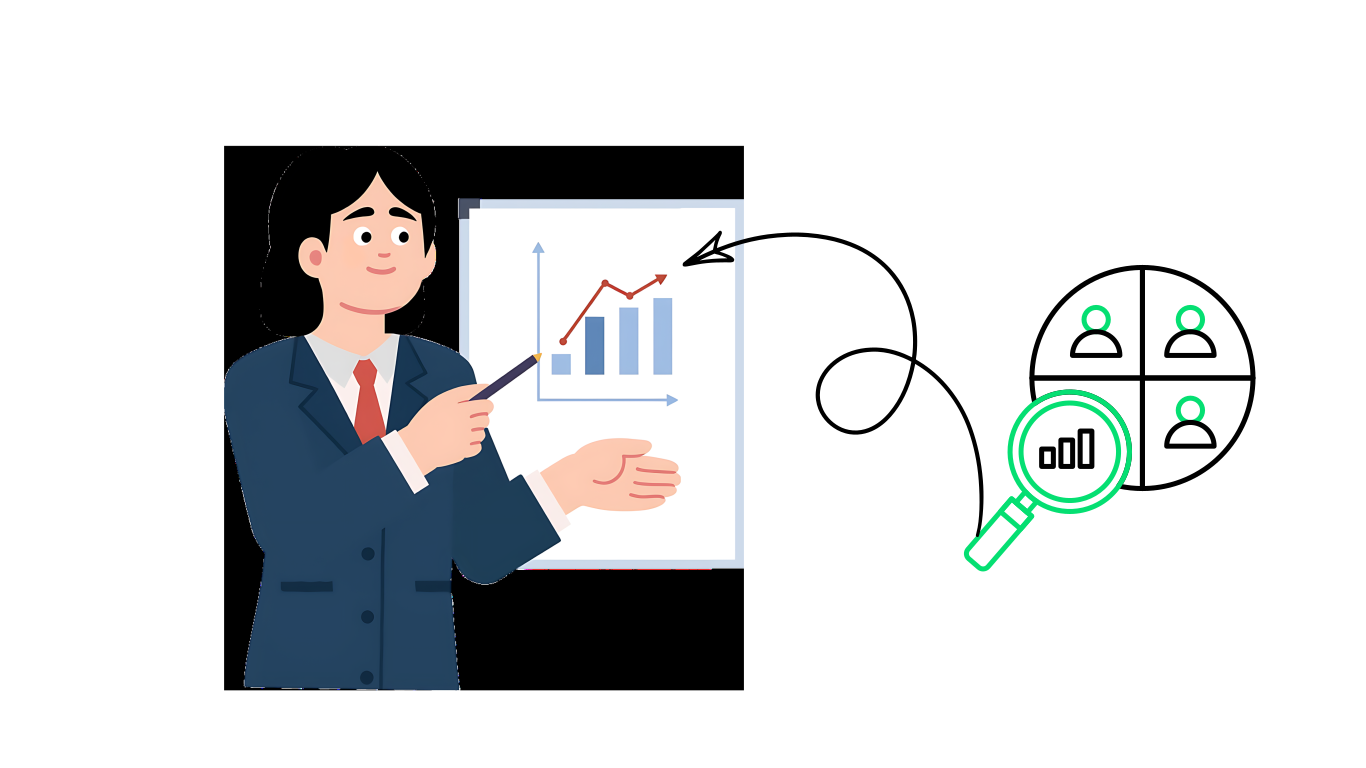
Competitor Analysis
Identifying direct and indirect competitors, their position, pricing and gaps you can fill.
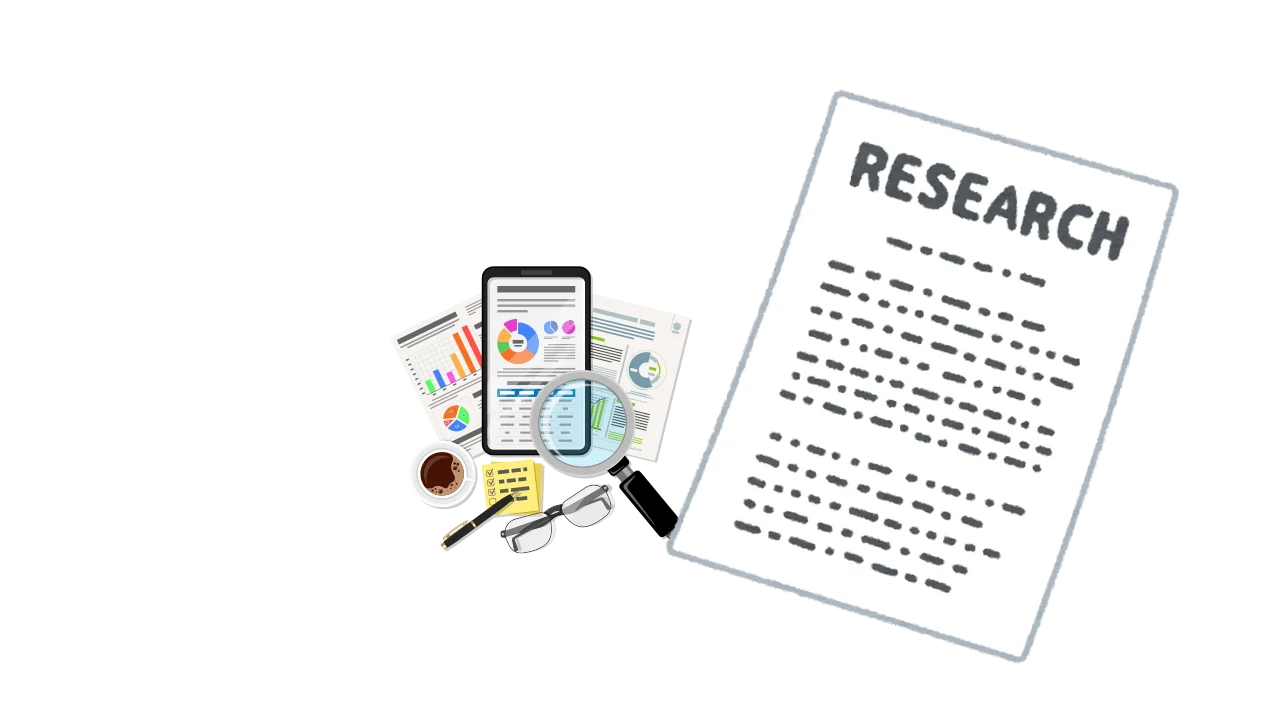
Secondary Research
Industry reports, published data and existing studies which could be synthesized into a usable market picture.
Market Sizing
TAM/SAM/SOM estimates are based on defensible assumptions, not guesswork, and that makes them stand up to scrutiny.
Sample of insight from past research
Each engagement is customised, but here are an example of the clarity that can emerge from a structured study. This is a case where price sensitivity findings from Van Westendorp analysis were cross-checked against purchase intent collected at several fixed price points.
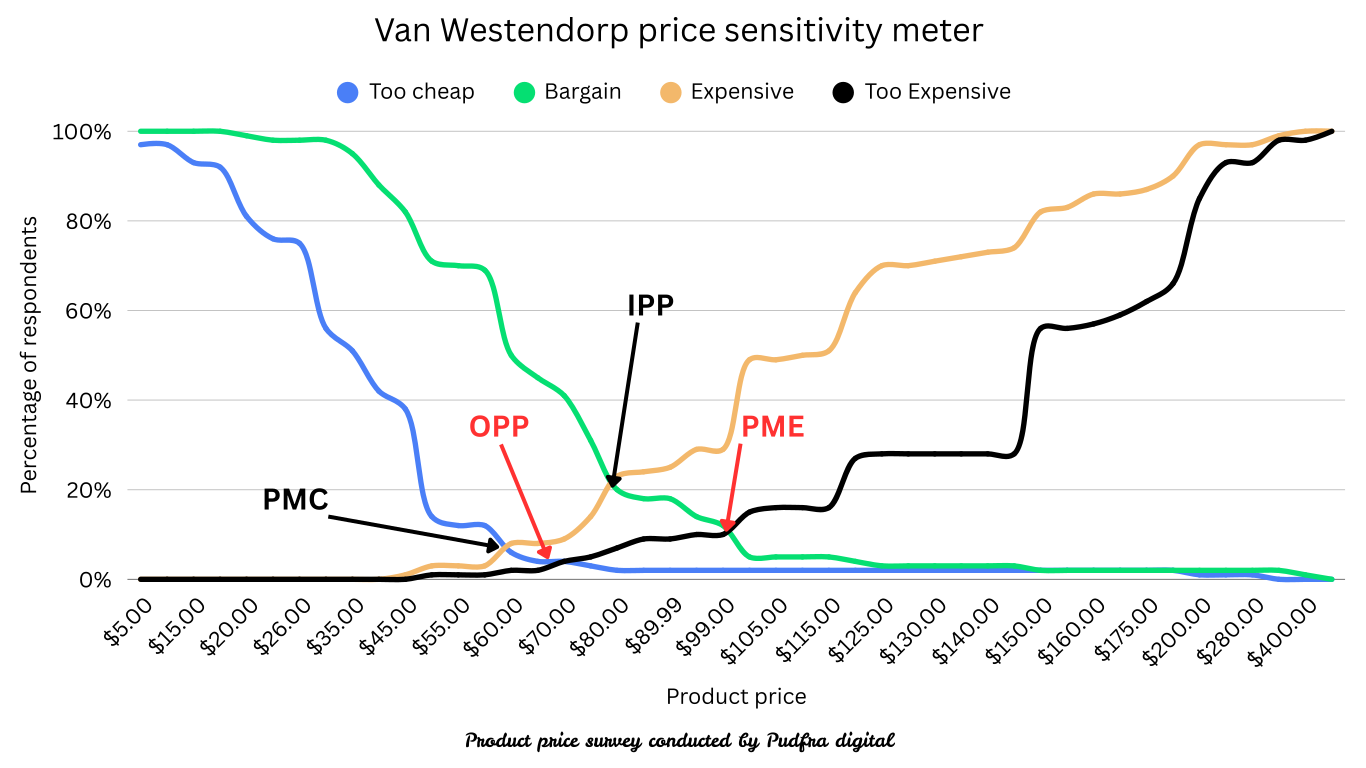
Price sensitivity that identify optimal price range of the product
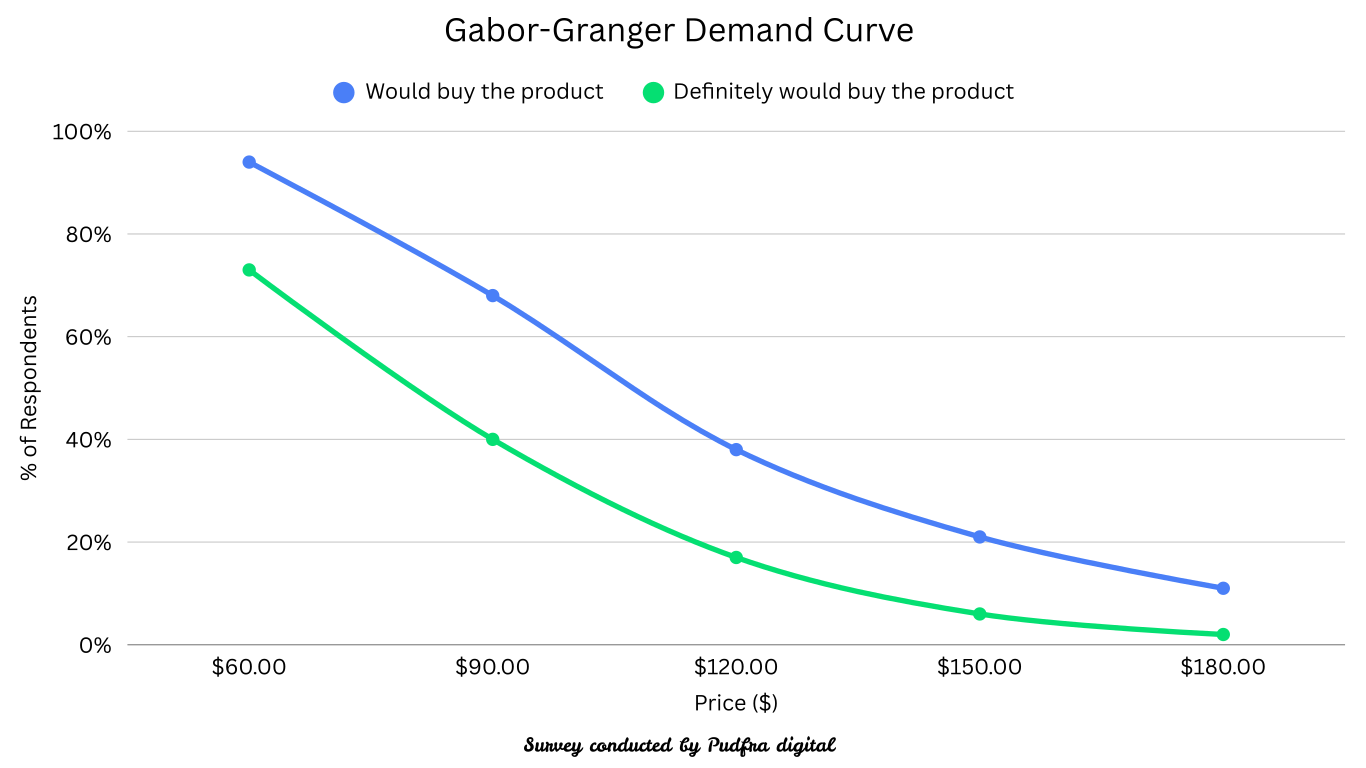
Purchase intent at fixed price points to confirm demand at that price
What you receive

Full Report
A written report that contains methodology, findings and recommendations.

Presentation Deck
A summary deck that can be shared directly with your team, board or investors.

Raw Data
Anonymized raw survey or interview data, so you can dig in yourself if you want to.

Debrief Call
A live walkthrough of the findings and opportunity to ask questions before putting the findings into action.
Market research pricing
| Package | Snapshot | Standard Study | In-Depth Study |
|---|---|---|---|
| Price | $ 150 | $ 500 | $ 1,500 |
| Best For | Quick sanity-check before a decision | Product or market launch validation | High-stakes strategy or investment decisions |
| Methodology | Secondary research only | Surveys + secondary research | Surveys + interviews + focus groups |
| Sample Size | N/A | 100–300 respondents | 300+ respondents |
| Competitor Analysis | Basic overview | Detailed comparison | Full competitive landscape mapping |
| Deliverable | Summary brief | Full report + charts | Report + presentation + raw data |
| Timeline | 1–2 weeks | 3–4 weeks | 4–8 weeks |
| Support | Priority support | Dedicated analyst |
Why you should work with independent researcher instead of an agency
After the pitch, agencies can pass your project on to a junior analyst. When working directly with me, the person who created the study is also the person who analyzes the study and presents it back to you, so there's no passing around, no context lost, and someone who's personally held accountable for the results you implement.
Frequently asked questions about market research
Between qualitative and quantitative research which one do I need?
▼
Quantitative research (surveys) tells you what's happening and how big the effect is — useful for sizing demand or measuring preference across a large group. Qualitative research (interviews, focus groups) tells you why it's happening, which is critical when you need to understand motivation, not just measure it. Most engagements combine both: qualitative first to shape the right questions, then quantitative to validate them at scale. I'll recommend the right mix once I understand your decision at stake.
How large does my sample size need to be?
▼
It depends on how confident you need to be in the result and how narrow your target audience is. A general consumer study usually needs 300+ responses for statistically meaningful results, while a niche B2B audience might only have a few hundred people who qualify in the first place, so 30–50 well-targeted interviews can be more useful than a large but shallow survey. I'll size the sample based on your specific question, not a default number.
Do you work with businesses outside your home country?
▼
Yes — market research is conducted remotely by design, so I work with clients and target audiences anywhere in the world. Surveys, interviews, and secondary research can all be run for a market you're entering even if neither of us is physically there. What matters is defining the right target audience and recruiting into it, not geography.
Do I need an existing customer base to run research?
▼
No. If you don't have an existing audience to survey, I recruit respondents who match your target customer profile through panels and targeted outreach. This is common for pre-launch validation, where by definition you don't have customers yet.
What's included in your market research packages?
▼
Every package includes a defined methodology, data collection, and a written report with recommendations. Higher-tier packages add larger sample sizes, qualitative interviews or focus groups, deeper competitor analysis, and a presentation deck plus raw data. The full breakdown is in the pricing table above.
How long does a research study take?
▼
A quick secondary-research snapshot can be turned around in 1–2 weeks. A standard study with a live survey typically takes 3–4 weeks to allow enough time for response collection. In-depth studies with interviews or focus groups usually run 4–8 weeks, since scheduling qualitative sessions takes longer than distributing a survey link.
Can you validate a business idea before I build anything?
▼
Yes — this is one of the most common reasons people come to me. A short round of interviews or a targeted survey with your intended audience can tell you whether the problem you're solving is real and whether people would actually pay for the solution, before you spend money building it.